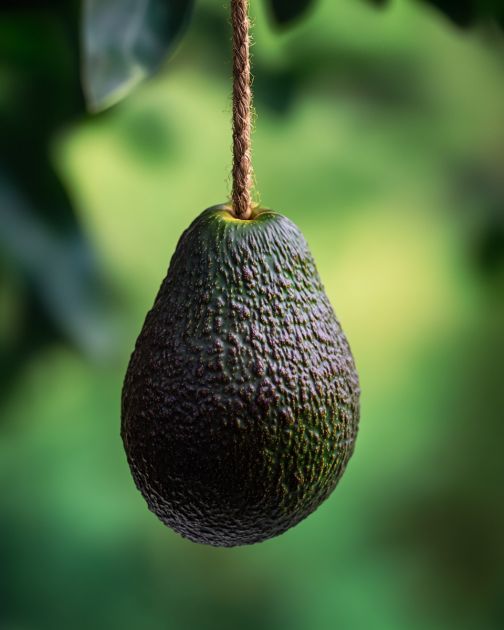
1. The Surprising Benefits of Hanging a Ripe Avocado
Hanging a ripe avocado in your garden can provide several unexpected benefits. First, as the avocado decomposes, it releases essential nutrients into the soil. These nutrients, including potassium, magnesium, and phosphorus, can enhance soil fertility and promote healthy plant growth.
Moreover, the presence of a ripe avocado can help regulate the microenvironment of your garden. The fruit’s natural oils can create a humid microclimate, which is particularly beneficial in dry regions. This added humidity can help plants retain moisture, reducing the need for frequent watering.
2. How Avocados Attract Beneficial Insects
Avocados can serve as an excellent attractant for beneficial insects, such as ladybugs and lacewings, which are natural predators of common garden pests. The sweet aroma of a ripe avocado can draw these insects to your garden, where they can help control aphid populations and other harmful pests.
In addition, the decomposing fruit can attract pollinators like bees and butterflies. These insects are crucial for the pollination of many garden plants, ensuring a healthy and productive garden ecosystem.
3. Natural Pest Control: Avocados as a Deterrent
While avocados attract beneficial insects, they can also deter certain pests. The scent of a ripe avocado can repel some common garden pests, such as snails and slugs, which are deterred by the fruit’s natural compounds.
Additionally, the presence of avocados can discourage larger pests, such as rodents, from invading your garden. The strong aroma and texture of the fruit can act as a natural deterrent, keeping these unwanted visitors at bay.
4. Enhancing Soil Quality with Avocado Nutrients
As avocados decompose, they release a wealth of nutrients into the soil. These nutrients can improve soil structure, increase microbial activity, and enhance overall soil health. The high potassium content in avocados is particularly beneficial for flowering plants, as it supports strong root development and vibrant blooms.
Furthermore, the organic matter from decomposing avocados can improve soil aeration and drainage, making it easier for plant roots to access water and nutrients. This can lead to healthier, more resilient plants that are better equipped to withstand environmental stresses.
5. Encouraging Pollination with Avocado Aromas
The sweet, fruity aroma of a ripe avocado can be a powerful attractant for pollinators. By hanging avocados in your garden, you can increase the presence of bees, butterflies, and other pollinating insects, which are essential for the reproduction of many plants.
This increased pollinator activity can lead to higher fruit and seed yields, ensuring a more bountiful harvest. Additionally, a diverse pollinator population can contribute to the overall health and resilience of your garden ecosystem.
6. The Role of Avocados in Biodiversity
Incorporating avocados into your garden can promote biodiversity by attracting a wide range of insects, birds, and other wildlife. This increased diversity can enhance the stability and resilience of your garden ecosystem, making it more resistant to pests and diseases.
By supporting a variety of species, you can create a balanced ecosystem where beneficial insects and natural predators keep pest populations in check. This can reduce the need for chemical pesticides and promote a healthier, more sustainable garden environment.
7. Avocados as a Food Source for Birds
Birds are naturally attracted to the rich, creamy flesh of avocados. By hanging avocados in your garden, you can provide a valuable food source for local bird populations, which can help control insect pests.
Birds such as robins, thrushes, and jays are known to feed on avocados, and their presence can contribute to a dynamic and balanced garden ecosystem. Additionally, attracting birds to your garden can enhance its aesthetic appeal and provide opportunities for birdwatching.
8. Viral Gardening Hacks: The Avocado Trend
The trend of using avocados in gardening has gained popularity on social media platforms, where gardeners share their success stories and innovative techniques. This viral gardening hack has inspired many to experiment with avocados in their own gardens, leading to a growing community of enthusiasts.
By embracing this trend, you can join a network of like-minded gardeners who are eager to share tips, experiences, and results. This sense of community can provide valuable support and inspiration as you explore new ways to enhance your garden.
9. How to Properly Hang an Avocado in Your Garden
To hang an avocado in your garden, start by selecting a ripe fruit that is free from blemishes or signs of decay. Use a piece of twine or string to securely tie the avocado to a tree branch or garden stake, ensuring it is positioned at a height where it can attract insects and birds.
Make sure the avocado is exposed to sunlight and air circulation, which will facilitate decomposition and release its beneficial nutrients. Check the avocado regularly for signs of decay, and replace it as needed to maintain its effectiveness.
10. Common Mistakes to Avoid When Using Avocados in Gardening
One common mistake is using an overripe or rotten avocado, which can attract unwanted pests and create a foul odor. Instead, choose a ripe but firm avocado to ensure it decomposes gradually and releases nutrients effectively.
Another mistake is hanging the avocado too low, where it may be easily accessed by rodents or other pests. Ensure the avocado is positioned at an appropriate height to attract beneficial insects and birds while deterring unwanted visitors.
11. Real-Life Success Stories from Gardeners
Many gardeners have reported positive results from using avocados in their gardens. For instance, a gardener in California noted a significant increase in pollinator activity after hanging avocados, leading to a more abundant harvest of fruits and vegetables.
Another gardener in Florida found that avocados helped deter snails and slugs, reducing damage to their plants. These success stories highlight the potential of avocados as a versatile and effective tool in sustainable gardening practices.