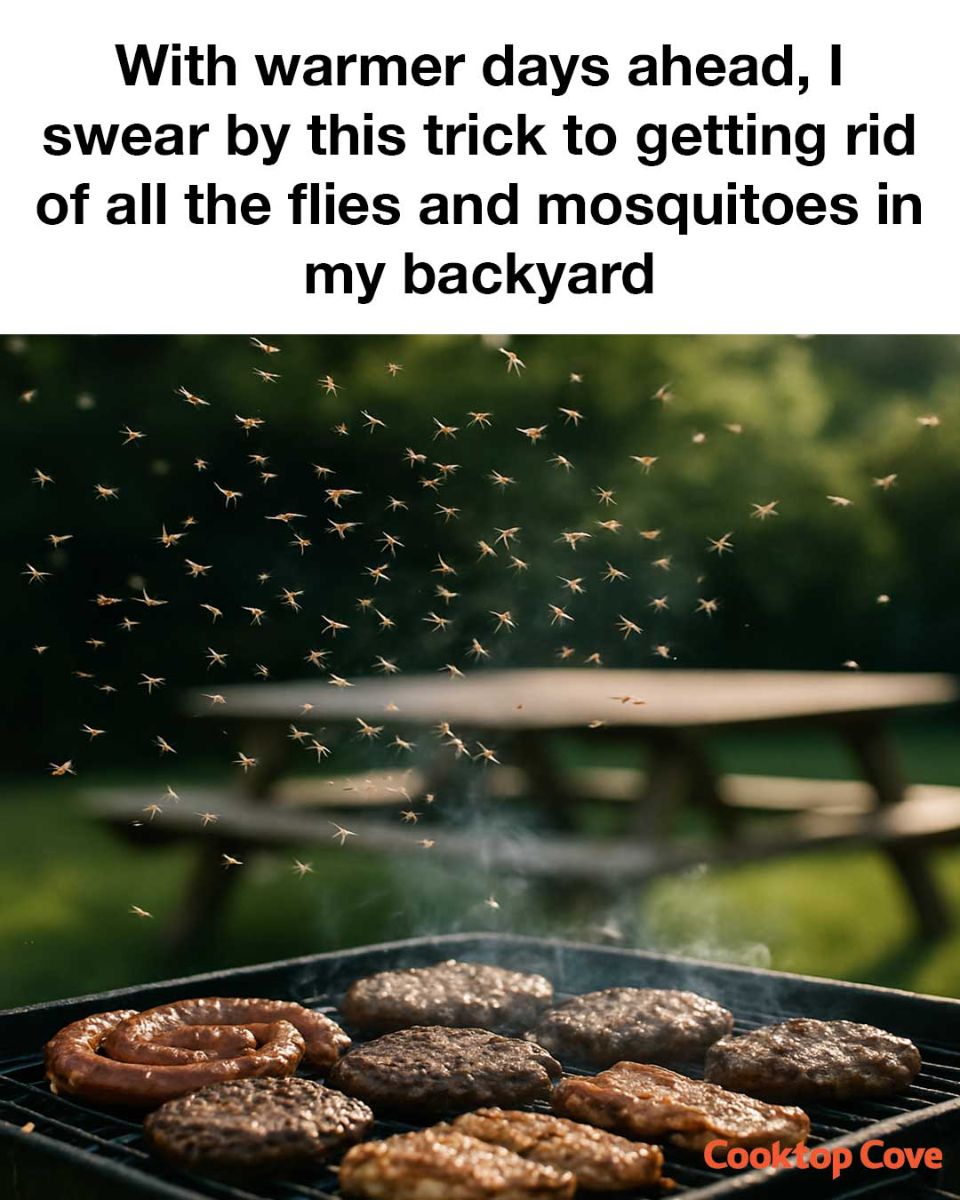
1. Understanding the Problem: Why Flies and Mosquitoes Thrive in Warm Weather
Flies and mosquitoes are cold-blooded creatures, meaning their body temperature is regulated by the environment. As temperatures rise, their metabolic rates increase, leading to more activity and faster reproduction. Mosquitoes, in particular, thrive in temperatures between 80°F and 90°F (27°C to 32°C), which is why they are more prevalent during the summer months.
Additionally, warm weather often brings about increased humidity, creating ideal breeding conditions for mosquitoes. Stagnant water from rain or irrigation systems provides perfect breeding grounds for mosquito larvae, while flies are attracted to the abundance of food sources that become available during outdoor gatherings.
2. The Health Risks Posed by Flies and Mosquitoes
Flies and mosquitoes are not just nuisances; they pose significant health risks. Mosquitoes are known carriers of diseases such as West Nile virus, Zika virus, dengue fever, and malaria. Even in areas where these diseases are not prevalent, mosquito bites can cause itchy welts and allergic reactions.
Flies, on the other hand, are notorious for spreading bacteria and pathogens. Houseflies can carry over 100 different pathogens, including E. coli and Salmonella, which they transmit by landing on food and surfaces. This makes it crucial to control their presence, especially in areas where food is prepared and consumed.
3. The Science Behind Repelling Insects
Insects are repelled by certain scents and substances that interfere with their ability to detect humans and animals. Mosquitoes, for example, are attracted to carbon dioxide and body odors, but certain compounds can mask these signals. DEET, a common ingredient in commercial repellents, works by confusing mosquitoes’ olfactory receptors, making it difficult for them to locate their targets.
Natural repellents often use essential oils like citronella, eucalyptus, and lavender, which contain compounds that are unpleasant to insects. These oils can be applied to the skin or used in diffusers to create a protective barrier against mosquitoes and flies.
4. Popular Viral Hacks for Keeping Bugs at Bay
The internet is full of viral hacks and DIY solutions for repelling insects. Some popular methods include using dryer sheets, which are said to repel mosquitoes due to their fragrance, and placing bowls of vinegar around outdoor areas to deter flies.
Another trending hack involves using a fan to create a breeze, which can make it difficult for mosquitoes to fly and reach their targets. While these methods can be effective to some extent, their success often varies based on environmental conditions and the severity of the insect problem.
5. The Trick I Swear By: A Step-by-Step Guide
The trick I swear by involves creating a homemade insect repellent using natural ingredients. Here’s how you can make it:
1. Gather your ingredients: You’ll need 1 cup of witch hazel, 1 cup of water, and 20-30 drops of essential oils such as citronella, eucalyptus, and lavender.
2. Mix the ingredients: In a spray bottle, combine the witch hazel and water. Add the essential oils and shake well to mix.
3. Apply the repellent: Spray the mixture around your backyard, focusing on areas where mosquitoes and flies are most active. You can also apply it to your skin, but be sure to test for any allergic reactions first.
4. Reapply as needed: For best results, reapply the spray every couple of hours, especially if you’re spending extended time outdoors.
6. How to Create a Mosquito-Free Zone with Natural Ingredients
Creating a mosquito-free zone involves more than just repelling them; it’s about making your backyard less attractive to them. Start by eliminating standing water, which is where mosquitoes breed. Check gutters, planters, and any other containers that may collect water.
Plant mosquito-repelling plants such as marigolds, lavender, and basil around your yard. These plants naturally emit scents that mosquitoes dislike. Additionally, consider using citronella candles or torches to create a barrier around seating areas.
7. The Role of Essential Oils in Insect Repellents
Essential oils play a crucial role in natural insect repellents due to their potent fragrances and chemical properties. Citronella oil, derived from lemongrass, is one of the most effective natural mosquito repellents. Studies have shown that it can provide protection for up to two hours when applied to the skin.
Eucalyptus oil contains compounds like eucalyptol, which have been proven to repel mosquitoes. Similarly, lavender oil not only repels insects but also has a calming effect, making it a great addition to any repellent blend.
8. DIY Solutions: Homemade Traps and Repellents
Homemade traps can be an effective way to reduce the number of flies and mosquitoes in your backyard. For flies, create a simple trap using a jar filled with apple cider vinegar and a few drops of dish soap. The vinegar attracts the flies, while the soap breaks the surface tension, causing them to drown.
For mosquitoes, consider making a sugar and yeast trap. Mix 1 cup of sugar with 1 cup of water and add a packet of yeast. Pour the mixture into a bottle with the top cut off and inverted to create a funnel. The carbon dioxide produced by the yeast attracts mosquitoes, trapping them inside.
9. The Importance of Regular Maintenance and Cleanliness
Keeping your backyard clean and well-maintained is essential for preventing insect infestations. Regularly mow the lawn and trim bushes to reduce hiding spots for mosquitoes. Remove any debris or clutter that can collect water or provide shelter for insects.
Ensure that trash bins are sealed and emptied regularly to prevent attracting flies. By maintaining a tidy outdoor space, you can significantly reduce the likelihood of insects taking over your backyard.
10. How to Use Plants to Deter Unwanted Pests
Certain plants have natural insect-repelling properties that can help keep your backyard bug-free. Planting herbs like basil, mint, and rosemary can deter mosquitoes and flies, as they dislike the strong scents these plants emit.
Marigolds are another excellent choice, as they contain pyrethrum, a compound used in many insect repellents. Plant them around the perimeter of your yard or near seating areas to create a natural barrier against pests.
11. Evaluating the Effectiveness of Different Methods
When evaluating the effectiveness of different insect repellent methods, it’s important to consider factors such as the severity of the insect problem, environmental conditions, and personal preferences. While natural methods may be sufficient for mild infestations, more severe cases may require a combination of approaches.
It’s also essential to test different methods to see what works best for your specific situation. Keep in mind that what works for one person may not work for another, so be open to experimenting with various solutions until you find the one that effectively keeps your backyard free of flies and mosquitoes.